영화, 취미 - Je'vida 영화 분석


세진님, 요청하신 영화 <예비다>(Je'vida)에 대한 요약과 평론입니다. 말씀하신 대로 요약과 평론 부분은 <해라> 체를 사용하여 작성했습니다.
<예비다>(Je'vida) 요약 및 평론
1. 영화 요약
<예비다>는 핀란드 북부 라플란드 지역의 원주민인 사미(Sámi)족 여인의 삶을 다룬 서사극이다. 영화는 노년이 된 주인공 예비다가 조카 헬레나와 함께 오랫동안 비어 있던 고향 집을 정리하러 돌아오는 현재 시점과, 그녀의 어린 시절 및 청년기를 다룬 과거 시점을 교차하며 전개된다.
어린 시절, 예비다는 사미족의 전통 언어와 문화를 향유하며 평화롭게 살고 있었다. 그러나 핀란드 정부의 강력한 동화 정책으로 인해 그녀는 강제로 기숙학교에 보내진다. 학교에서 사미어 사용은 엄격히 금지되며, 아이들은 핀란드어만을 사용하도록 강요받는다. 이 과정에서 예비다는 자신의 이름과 언어, 그리고 문화적 정체성을 부정당하는 폭력적인 경험을 한다.
성인이 된 예비다는 자신의 뿌리를 숨긴 채 핀란드 사회의 일원으로 살아가려 노력하지만, 내면 깊숙이 자리 잡은 상처와 상실감은 지워지지 않는다. 세월이 흘러 폐가가 된 옛집을 정리하며 유물들과 마주한 그녀는, 억눌러왔던 기억들을 하나씩 꺼내 놓는다. 영화의 후반부에서 예비다는 조카에게 자신의 진짜 이름과 과거를 고백하며, 단절되었던 자신의 역사와 화해하고 사미인으로서의 정체성을 서서히 회복해 나간다.
2. 영화 평론
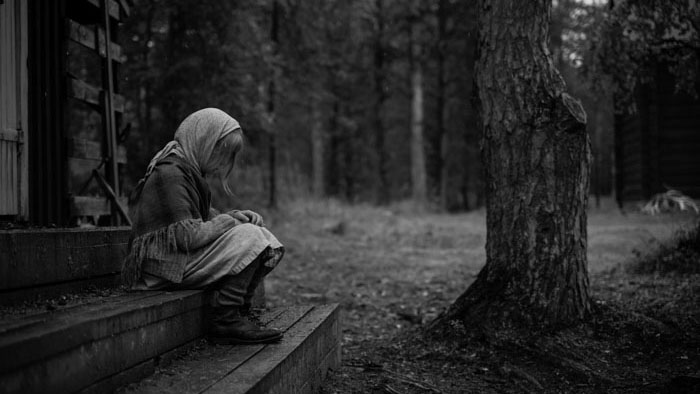
<예비다>는 북유럽의 아름답고도 냉혹한 자연풍광을 배경으로, 국가 권력이 개인의 정체성을 어떻게 파괴하고 그것이 한 세대의 삶에 어떤 흔적을 남기는지를 집요하게 추적하는 수작이다. 흑백 화면의 절제된 미학은 인물의 고독과 시대적 무게를 효과적으로 전달하며, 관객이 주인공의 감정선에 깊이 몰입하게 만든다.
정체성의 말살과 동화 정책의 폭력성 이 영화의 핵심은 <언어>에 있다. 언어는 단순한 소통의 도구를 넘어 한 민족의 세계관과 역사를 담는 그릇이다. 핀란드 정부가 사미 아이들에게서 모국어를 빼앗는 행위는 영혼의 거세와 다름없다. 기숙학교 장면에서 묘사되는 규율과 체벌은 문명화라는 미명 아래 자행된 야만성을 적나라하게 드러낸다. 예비다가 자신의 이름을 버리고 핀란드식 삶을 선택하는 과정은 생존을 위한 고통스러운 타협이며, 이는 현대사 속 수많은 소수 민족이 겪어야 했던 보편적인 비극을 상징한다.
기억의 복원과 치유의 서사 카탸 가우릴로프 감독은 단순히 과거의 비극을 전시하는 데 그치지 않는다. 노년의 예비다가 켜켜이 쌓인 먼지를 털어내고 물건들을 정리하는 행위는, 자신의 내면에 봉인해 두었던 아픈 기억들을 직시하는 의식과 같다. 조카 헬레나라는 젊은 세대와의 연결은 과거의 상처가 다음 세대에게는 어떻게 기억되어야 하는지, 그리고 단절된 전통이 어떻게 계승될 수 있는지를 시사한다. 예비다가 마침내 사미어로 자신의 이름을 나지막이 읊조릴 때, 영화는 압도적인 해방감을 선사한다.
결론: 세계 시민적 관점에서의 성찰 이 작품은 특정 국가나 민족의 이야기를 넘어, 근대화 과정에서 소외되고 짓밟힌 모든 소수자의 목소리를 대변한다. <예비다>는 경계인으로 살아가는 이들의 고뇌를 깊이 있게 통찰하며, 국가나 민족이라는 틀에 갇히지 않는 인간 존엄성의 가치를 묻는다. 한 인간이 자신의 뿌리를 긍정하는 과정이 얼마나 고귀한 투쟁인지를 보여주는 이 영화는, 관객에게 자신의 정체성과 역사를 되돌아보게 만드는 묵직한 울림을 남긴다.
세진님, 영화의 흑백 영상미와 주인공의 절제된 연기가 인상적인 작품인데 혹시 직접 감상해 보셨나요? 어떤 점이 가장 기억에 남으시는지 궁금합니다.
Je’vida
By Ryan Devir | January 3, 2024
Share
Gauriloff’s beautiful black and white 4:3 aspect ratio will draw stylistic and thematic comparisons to such films as Cold War and Ida. Every frame is gorgeous. There are no sweeping shots, cranes, jibs, or steadycams. This is an old-fashioned film that turns on the camera and lets the actors act in a breathtaking composition. The filmmaker perfectly blends show, don’t tell with only show so much. The audience is not spoon-fed exposition at any point, which makes this a slow burn. But it keeps the audience paying attention to small details to make assumptions about what is playing out in these characters’ lives.
Dreamlike imagery throughout Je’vida points to a higher meaning and creates the feeling that you are watching a painting. Gauriloff masterfully takes on global issues of war, culture, assimilation, family, and heartache and displays them at the small character level. Because the camera is locked off in one position for each scene, interactions between characters may happen off-screen and then converge into the frame.
“…a beautiful reminder for us to preserve tradition…”
New doesn’t always mean better. How often have you heard the saying, “They don’t make ’em like they used to.” This phrase is used for TVs, cars, refrigerators, men, and women. We are quick to condemn the past, and there is indeed much to, but we shouldn’t burn it all down. There is lasting truth in culture and religion that, if lost, leads us to ask ourselves the same questions Lida and Sanna ask, “Who am I?” and “What is most important in life?” There is a beautiful scene that perfectly sums up the message. Lida is leaving her grandmother at a nursing home, and the room is clean and mid-century modern but clinically cold. This stands in stark comparison to the character-rich cabin on the lake. Her grandmother’s one concern is that she doesn’t have her portrait of the Virgin Mary, to which Lida says she will get a “new” one.
Je’vida highlights how Lida has entirely lost sight of what is important in life. Forget your family. Forget your God. You can get a new family. You can get a new god. In Lida’s case, all that you think is important can be sold for a song or a new pair of shoes. Focusing on the destruction of war on the familial level is a beautiful reminder for us to preserve tradition and the family and remember what is truly important in life. In a scene between Lida and her grandfather, she asks him why he didn’t fix a hole in his fishing net. He explains that a good net doesn’t mean it’s free of holes. Sometimes, to get colorfully wise advice, we need to see it in black and white.
==
Review: Je’vida
by Elena Lazic
- The subdued black-and-white film from Finnish director Katja Gauriloff looks at a young girl cut off by force from her Sámi roots
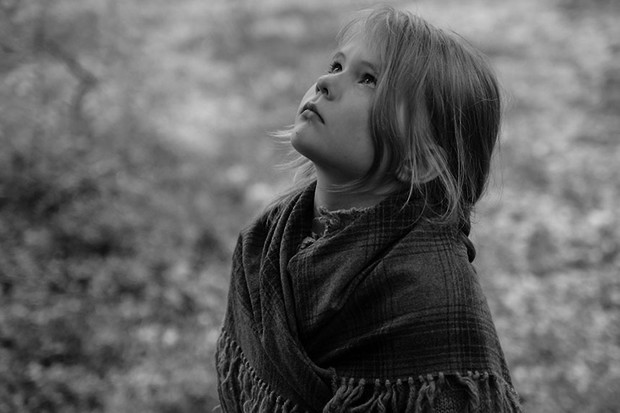
Katja Gauriloff’s Je’vida [+], playing in the Centrepiece programme of the Toronto International Film Festival, is based on a simple idea: you can’t run away from your past. More interesting, and at the heart of the film, is the question of why someone would even try. As Iida (Sanna-Kaisa Palo) and her niece Sanna (Seidi Haarla) visit the house where Iida and her recently departed sister grew up, the younger artist is confused and frustrated by her aunt’s persistent silence. But it isn’t long before the house, in the snowy wilderness far in the north of Finland, unlocks long repressed memories for the older woman.

Shot in sumptuous black and white by director of photography Tuomo Hutri, the film retraces Iida’s life from childhood to adulthood through key moments that have stayed with her, and therefore adopts an aesthetic halfway between realistic fiction and dream logic. The young Je’vida (as is her real name, in the Skolt Sámi language of her family) was her grandfather’s favourite, always keen to learn the traditional ways of fishing and caring for the nets. The little girl (a very convincing Agafia Niemenmaa) overhears him and her mother talk about sending her to boarding school, like her older sister, but grandpa is adamant that she must stay on and keep the Sámi ways alive. When he dies and she is sent to get a Finnish education, she does not stop seeing him or talking to him — at least not right away.
Much of Je’vida’s life then involves listening to other people talk about her, such as her family who decide her fate, the mean kids who make fun of her at school, and the adults who teach her Finnish. The film spends some time on her process of adaptation, which really was a process of surrender, as her short bout of rebellion was met with cruel punishment from racist teachers. These are harrowing moments to see, and we can understand why grown-up Iida is reluctant to explain to her niece how come her mother never told her about the house or spoke about her own sister. But it still feels like the film could have done more to translate the muted yet intense pain Iida must feel.
In the same way, it would have been interesting to explore some more the effects of this brutal uprooting on the young woman (Heidi Juliana Gauriloff) Je’vida grew up to be. The fact that she works in a hotel cafeteria suggests she perhaps did not do well in the hostile school, and it’s clear she stays in the area to look after her ageing grandmother. But she seems torn between loving and hating her origins: she is somewhat ashamed of her grandmother, and when the elderly woman gives her money, Iida uses it to buy herself a nice pair of shoes — as a child, she spurned the leather boots she was given. When an engineer from Helsinki walks into the restaurant, we see Iida turn her ability to listen and adapt to her advantage: she seduces him, her ticket out of this place.
Perhaps the fact that we can draw all these conclusions about Iida’s desires and state of mind, but not really feel her emotions, is a way for the film to echo her own disconnect from them. When Iida tells her niece “You asked what you should ask [...]. I never knew how.”, this is what she is talking about. But it would have been interesting to learn how this history impacted not just the logical decisions she made (learning Finnish, buying shoes, seducing the engineer) but her personality, her relationships with others, and her life in general. We know she didn’t speak to her sister — how come? The film is ultimately more a document of atrocities (we learn in an on-screen text at the end that most Sámi children were forced into Finnish boarding schools until the 1980s), than a portrait of its titular protagonist.
Je’vida was produced by Finland’s Oktober Oy. The film will be distributed in Finland by Future Film Oy Ab. International sales are handled by The Yellow Affair.
Decidedly different in virtually every way from everything else covered here, Katja Gauriloff’s Je’vida is the first film to fully employ the dialect of the Skolt Sami people of Lapland, a language whose native speakers number about 300. It endeavors to illustrate the heartbreaking repercussions of post-war Finnish authorities to essentially eliminate them entirely through the eyes of one person caught up in it all. As the film opens, two women are traveling to Lapland in the wake of a woman’s death to clean out the remote lakeside home that was left to them. One is Sanna (Seidi Haarla), the woman’s daughter and the other is Lida (Sanna-Kaisa Palo), the woman’s sister, who Sanna is meeting for the very first time. While Sanna is intrigued by this home and an aspect of her mother’s life that she never knew about, Lida resents being there and only wants to leave as soon as possible, burning up everything that she can in the interim.

Eventually, Sanna gets Lida to begin to open up and she tells her sad story. As a child known as Je’vida (played by Agatha Niemenmaa), she was perfectly content to live in the ways of her people under the tutelage of her beloved grandfather (Erkki Gauriloff). When he passes, her mother, who is all for assimilation, sends her and her older sister off to a boarding school in order to better integrate them into proper Finnish culture. There, she suffers cruelties from classmates and teachers alike because of her differences (including the loss of her name) that eventually drive her to become a bully as well as a survival mechanism. When we see her years later (played by Heidi Juliana Gauriloff), we learn just how well that assimilation took: after a visitor from the South offers the promise of a way out of the grim North, she is mortified when her grandmother comes to visit and risks exposing her hidden roots.
Je’vida is mostly grim and unsparing stuff and that, combined with its austere pacing, may put off a number of viewers. That would be their loss, because Gauriloff has created a potent and powerful work that serves both as the story of Lida coming to terms with the whole of her life and the memories she tried to put aside, and a celebration of a people whose entire existence has been under siege from those who wish they and their differences would simply disappear. Gauriloff is able to convey this sense of sorrow and anger through stark imagery, a spare but often harrowing and heartbreaking storyline and gripping performances from the three people recruited to portray Je’vida at varying points in her life. This is a strong and assured filmmaking debut that, more importantly, shines a light on the myriad ways in which an entire culture has been systematically threatened with eradication and how it has still managed to survive those efforts in order to allow its story to finally be told.
사미인
 (Sámi) Sámi | |||
| |||
| 총인구 | |||
| 80,000 - 100,000 명 이상 | |||
| 인구분포 | |||
 노르웨이 노르웨이 | 37,890–60,000[1][2] | ||
|---|---|---|---|
 스웨덴 스웨덴 | 14,600–36,000[2] | ||
 핀란드 핀란드 | 9,350[3] | ||
 러시아 러시아 | 1,991[4] | ||
 우크라이나 우크라이나 | 136 | ||
| 언어 | |||
| 사미어군, 노르웨이어, 스웨덴어, 핀란드어 | |||
| 종교 | |||
| 루터교(주로 레스타디우스파), 동방 정교회, 사미 샤머니즘 | |||
| 민족계통 | |||
| 근연민족 | 발트핀족, 볼가핀족, 페름족, 우그리아족 등 핀우그리아족 | ||

사미인(사미어: Sámi, Sami나 Saami로도 쓰임)은 북유럽의 북부 지역에 거주하는 우랄족 계열의 원주민이다. 이들의 전통적 거주지를 사프미(Sapmi)라 하는데, 이 지역은 노르웨이, 스웨덴, 핀란드의 북부 지역과 콜라반도에 걸쳐 있다. 과거에는 라프족(Lapp)이나 라플란드인(Laplander)이라고도 불렸다.
사미인은 주변의 민족들과 구분되는 고유의 언어, 문화, 역사를 가지고 있다. 우랄어족 계통의 언어인 여러 방언의 사미어를 모어로 하는데, 그 중 북부 사미어의 화자가 가장 많다. 전통적으로 어업, 덫사냥, 양치기 등으로 삶을 영위해 왔으며 특히 순록 유목으로 잘 알려져 있다.
명칭
'사미'(Sámi)라는 명칭은 북부 사미어의 자칭 'Sámit'에서 유래했다. 다른 사미어에서는 형태가 다른 동계어를 사용한다. 이는 자신들의 언어에서 유래한 명칭이다.
'핀족'(Finn)이라는 이름은 원래 중세 노르드인들이 사미인을 가리키던 말이며, 이것은 아이슬란드의 에다와 사가에서 문증된다. 노르드어가 스칸디나비아어로 발전함에 따라 스웨덴인들은 오늘날의 핀란드에 거주하는 주민들을 가리키는 데 이 단어를 사용하기 시작했다.
과거 외부에서는 이들을 '라프족'(Lapp)이라고 불렀으나, 이 용어는 스칸디나비아 언어에서 '누더기'를 의미하는 단어에서 유래했을 가능성이 있어 오늘날에는 종종 경멸적인 표현으로 간주된다.
지리 및 사프미
사미인의 전통적인 거주 지역은 사프미라고 불리며, 이는 특정 국가의 국경이 아닌 문화적, 언어적 경계로 정의된다. 사프미는 북극권에 넓게 걸쳐 있으며, 툰드라, 산악 지대, 숲, 그리고 긴 해안선을 포함하는 다양한 자연환경을 가지고 있다.
- 노르웨이: 노르웨이는 가장 많은 수의 사미인이 거주하는 국가로, 특히 핀마르크주, 트롬스주, 노를란주에 집중되어 있다. 카라쇼크와 카우토케이노는 노르웨이 사미 문화의 중심지로 꼽히며, 카라쇼크에는 노르웨이 사미 의회가 위치해 있다.
- 스웨덴: 스웨덴의 사미인들은 주로 노르보텐주와 베스테르보텐주의 산악 지대 및 삼림 지역에 거주한다. 키루나와 요크모크가 주요 중심지이다.
- 핀란드: 핀란드 북부의 라피 지역이 사미인의 핵심 거주지이며, 우치요키 등이 주요 마을이다.
- 러시아: 사미인들은 대부분 무르만스크주의 콜라반도에 거주하며, 로보제로가 이들의 중심지이다.
전통적으로는 사프미 지역에 거주했으나, 현대에는 많은 사미인들이 오슬로, 스톡홀름, 헬싱키 등 남부의 대도시로 이주하여 살고 있다.
역사

고대 및 중세
사미인의 기원은 명확하지 않으나, 이들의 언어학적 조상인 우랄족은 볼가강을 따라 북서쪽으로 퍼졌고, 기원전 약 1,600년에서 1,500년 전 핀란드 호수지대에 정착한 이들이 사미인의 조상이 되었으리라고 추정된다. 로마의 역사가 타키투스가 기원후 98년에 저술한 《게르마니아》에서 언급한 '펜니'(Fenni)족이 사미인의 조상으로 여겨진다. 이들은 수렵과 채집, 어업을 통해 생활했으며, 이후 소규모의 순록 목축을 시작했다. 중세 시대에 들어서면서 노르드인과의 교류가 활발해졌으며, 모피, 가죽 등을 거래했다. 그러나 동시에 노르웨이, 스웨덴, 노브고로드 공화국 등 주변 강대국들의 조세 징수 대상이 되면서 외부의 압력을 받기 시작했다.
동화 정책과 저항
17세기부터 스칸디나비아 국가들은 사미인에 대한 강력한 동화 정책을 추진했다. 기독교 선교사들이 파견되어 사미인의 전통 신앙인 샤머니즘을 탄압하고, 신성한 물건으로 여겨지던 사미 드럼을 불태웠다.
19세기 말부터 20세기 초까지는 민족주의의 영향으로 동화 정책이 더욱 강화되었다. 특히 노르웨이의 노르웨이화 정책(Fornorsking)은 학교에서 사미어 사용을 금지하고, 토지 소유권을 노르웨이어 사용자에게만 부여하는 등 사미 문화를 말살하려는 시도였다. 이로 인해 많은 사미인들이 자신들의 언어와 정체성을 잃어버렸다.
사미인의 각성과 현대
20세기 후반, 사미인들은 자신들의 권리를 되찾기 위한 정치적, 문화적 운동을 시작했다. 1970년대 말 노르웨이에서 벌어진 알타 분쟁(Alta controversy)은 사미인의 권리 운동에 있어 중요한 전환점이 되었다. 정부가 사미인의 순록 유목지에 대규모 수력 발전소 댐을 건설하려 하자, 사미인들은 격렬한 시위를 벌였다. 비록 댐 건설을 막지는 못했지만, 이 사건은 사미인의 문제를 국제적으로 알리고 노르웨이 정부가 원주민 권리에 대한 정책을 재고하게 만드는 계기가 되었다. 이후 사미인의 정치적 지위는 크게 향상되었다. 1989년 노르웨이를 시작으로 스웨덴(1993년), 핀란드(1996년)에 각각 사미 의회가 설립되었다. 이 의회들은 사미인의 문화, 언어, 교육 등과 관련된 문제에 대해 각국 정부에 자문을 제공하는 역할을 한다.
언어

사미어가 속한 사미어군은 우랄어족의 핀우그리아어파에 속한다. 이는 핀란드어, 에스토니아어와는 먼 친척 관계이지만, 스칸디나비아 언어(노르웨이어, 스웨덴어 등)와는 계통적으로 전혀 관련이 없다.
사미어군은 약 10개의 언어로 나뉘며, 이들은 서로 의사소통이 어려울 정도로 차이가 크다. 대부분의 사미어는 유네스코에 의해 소멸위기언어로 지정되어 있으며, 언어 부흥을 위한 노력이 이어지고 있다. 표기에는 주로 라틴 문자가 사용되나, 키릴 문자를 사용하기도 한다.
주요 사미어는 다음과 같다.
- 북부 사미어 (Davvisámegiella): 가장 널리 사용되는 언어로, 노르웨이, 스웨덴, 핀란드 북부에서 약 20,000명 이상이 사용한다.
- 룰레 사미어 (Julevsámegiella)
- 남부 사미어 (Åarjelsaemien gïele)
- 이나리 사미어 (Anárašgiella)
- 스콜트 사미어 (Sääʹmǩiõll)
- 킬딘 사미어 (Кӣллт са̄мь кӣлл)
문화와 생활

사미인은 거주 지역과 생활 방식의 차이에 의해 산악 사미, 삼림 사미, 해안 사미 등 여러 그룹으로 나뉜다. 이들은 전통적으로 수렵, 어업, 순록 유목 등 다양한 방식으로 자연과 조화를 이루며 살아왔다.
순록 유목
순록은 사미 문화의 핵심이다. 전통적으로 사미 사회는 순록의 계절적 이동 경로를 따라 이동하는 유목 생활을 해왔다. 순록은 고기, 가죽, 뿔 등 모든 부분을 활용하는 중요한 자원이었으며, 오늘날에도 순록 유목은 사미인의 정체성과 경제에 큰 부분을 차지한다. 그러나 현대에는 전체 사미 인구의 약 10%만이 순록 유목에 직접 종사하고 있다.
두오지 (Duodji)
두오지는 사미인의 전통 공예를 의미한다. 이는 단순한 장식품이 아니라, 실용적인 목적을 가지고 만들어진 예술품이다. 순록의 뿔, 가죽, 나무 등을 재료로 칼, 그릇, 장신구 등을 만들며, 각 지역과 가문의 고유한 문양이 새겨져 있다.
각티 (Gákti)
각티는 사미인의 전통 의상으로, 축제나 중요한 행사 때 착용한다. 푸른색 계열의 옷감에 붉은색과 노란색 등 다채로운 장식을 더한 것이 특징이다. 각티의 색상, 무늬, 장식 등은 착용자의 출신 지역, 가문, 결혼 여부 등을 나타내는 중요한 정보를 담고 있다.
요이크 (Joik)
요이크는 사미인의 독특한 전통 노래 방식이다. 이는 일반적인 노래와 달리 가사보다는 리듬과 선율을 통해 감정을 표현하는 데 중점을 둔다. 요이크는 특정 사람, 장소, 동물 등을 위해 부르는 것이 아니라, 그 대상 자체를 소리로 표현하고 불러내는 것에 가깝다. 이는 유럽에서 가장 오래된 음악 전통 중 하나로 꼽힌다.
종교
전통적으로 사미인들은 자연의 모든 것에 영혼이 깃들어 있다고 믿는 사미 샤머니즘을 믿었다. 노아이디(Noaidi)라 불리는 샤먼이 공동체의 영적 지도자 역할을 했으며, 사미 드럼을 이용해 영적 세계와 소통했다. 17세기 이후 기독교가 전파되면서 대부분의 사미인들은 루터교로 개종하였다. 특히 19세기 레스타디우스파 부흥 운동은 북부 사미 사회에 큰 영향을 미쳤으며, 오늘날까지도 독실한 신앙 공동체를 형성하고 있다. 콜라반도의 스콜트 사미인들은 주로 동방 정교회를 믿는다.
정치 및 현대 사회
사미인의 상징
- 사미 국경일: 2월 6일이다. 1917년 노르웨이 트론헤임에서 노르웨이와 스웨덴의 사미인들이 국경을 넘어 처음으로 모여 공동의 문제를 논의한 날을 기념한다.
- 사미기: 1986년에 공식 제정되었다. 깃발의 원은 태양(붉은색)과 달(푸른색)을 상징하며, 네 가지 색(빨강, 초록, 노랑, 파랑)은 사미인의 전통 의상인 각티에서 유래했다.
현대적 과제
오늘날 사미인들은 자신들의 문화와 언어를 보존하고 발전시키기 위해 노력하고 있다. 그러나 여전히 많은 과제에 직면해 있다.
- 토지 및 자원권 분쟁: 순록 유목지, 전통적 어장 등이 광산 개발, 풍력 발전소 건설, 관광 산업 등으로 위협받고 있어 정부 및 기업과 갈등을 겪고 있다.
- 기후 변화: 지구 온난화는 북극 지역의 생태계에 큰 영향을 미치고 있으며, 이는 순록의 먹이와 서식 환경을 변화시켜 전통적인 순록 유목을 위협하고 있다.
- 정체성과 교육: 도시로 이주한 젊은 세대들이 사미어와 전통 문화를 잃어버리지 않도록 하는 것이 중요한 과제이며, 사미어 교육 강화와 문화 전승을 위한 노력이 이루어지고 있다.
각주
- “Focus on Sami in Norway”. 《Statistics Norway》. 2012년 3월 9일에 원본 문서에서 보존된 문서.
- Thomasson, Lars; Sköld, Peter. “Samer” (스웨덴어). 《Nationalencyklopedin》. 2017년 9월 15일에 확인함.
- “Eduskunta — Kirjallinen kysymys 20/2009”. 《Parliament of Finland》. 2014년 6월 2일에 원본 문서에서 보존된 문서.
- “Russian census of 2002”. 《Russian Federal State Statistics Service》. 2011년 7월 19일에 원본 문서에서 보존된 문서. 2019년 3월 12일에 확인함.


Comments
Post a Comment